INTRODUCTION
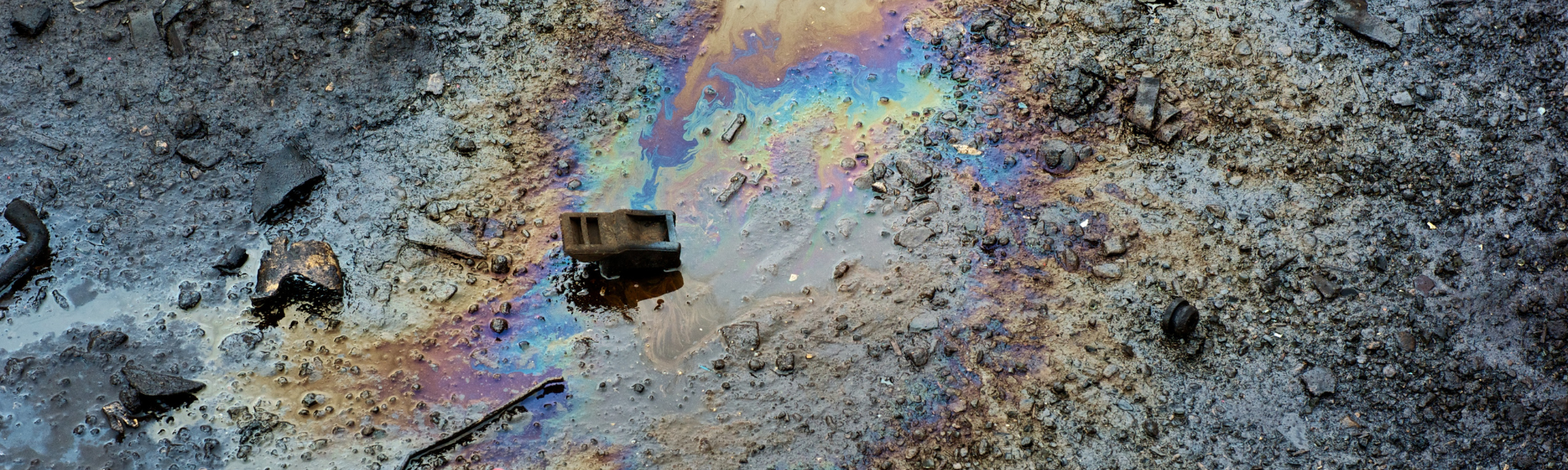
Mineral absorbents for industrial spills are a game-changer in manufacturing plants, automotive shops, warehouses, and municipal operations. Choosing the right absorbent ensures faster cleanup, reduces hazards for workers, lowers disposal costs, and keeps your facility compliant with OSHA regulations. This article explores best practices, real-world examples, and expert guidance for managing oil, chemical, coolant, and hazardous fluid spills effectively.
In 2025, industries are moving away from outdated absorbents and adopting advanced mineral-based solutions like QuiKleen, which offer faster action, higher absorption, and a cleaner working environment.
This article breaks down why the shift is happening, how mineral absorbents outperform clay, and what benefits organizations gain by upgrading their spill-response strategy.
THE PROBLEM WITH TRADITIONAL CLAY ABSORBENTS
Clay has been the default absorbent for decades—but mostly out of habit, not performance.
Today’s industrial standards have surpassed what clay can safely and effectively deliver.
Major drawbacks of clay absorbents include:
-
Extremely slow absorption, often requiring multiple applications
-
Heavy bags, which increase worker fatigue and injury risk
-
Dust levels containing crystalline silica, which OSHA classifies as a carcinogen
-
Messy cleanup, leaving residue that creates slipping hazards
-
High product waste, because you need a large volume per spill
These drawbacks translate to longer downtime, higher labor costs, more waste disposal fees, and avoidable safety risks.
WHY MINERAL ABSORBENTS ARE SUPERIOR
Facilities looking to reduce cleanup time and improve workplace safety are turning to modern mineral absorbents—a category where QuiKleen stands out.
Key advantages of mineral absorbents:
-
Silica-free and non-toxic, creating a healthier work environment
-
Absorbs liquids instantly, rather than sitting on top like clay
-
Lightweight composition, reducing strain on workers
-
No dust clouds, keeping the air clear and OSHA-compliant
-
Requires much smaller quantities, minimizing waste volume
-
Effective on multiple industrial fluids, from oils to chemicals to coolants
Instead of merely covering a spill, mineral absorbents trap fluids inside their porous structure, eliminating residue and reducing the chance of re-contamination.
INDUSTRIES THAT BENEFIT MOST
The performance difference between clay and mineral absorbents is so significant that it impacts nearly every industry handling mechanical and chemical operations.
Industries adopting mineral absorbents include:
-
Automotive service centers
-
Manufacturing and assembly plants
-
Industrial maintenance companies
-
Public works and municipal service departments
-
Schools, airports, and large commercial facilities
-
Emergency response and environmental agencies
These facilities report faster cleanup times, cleaner floors, fewer safety violations, and lower long-term absorbent costs.
PRACTICAL APPLICATIONS IN REAL WORK ENVIRONMENTS
QuiKleen and similar mineral absorbents are suitable for almost any type of fluid spill, making them essential for daily operations.
Common applications include:
-
Hydraulic oil spills under equipment or production lines
-
Chemical leaks during drum handling or equipment maintenance
-
Coolant and antifreeze spills in auto repair environments
-
Diesel and gasoline spills in fleet yards and transportation hubs
-
Water-based spills that create slip hazards on smooth floors
The lightweight formulation allows workers to apply the product quickly, sweep efficiently, and restore operations in minutes—not hours.
ENVIRONMENTAL AND OSHA BENEFITS
Beyond performance, mineral absorbents provide benefits that directly support compliance and sustainability goals.
Environmental & safety advantages:
-
Lower airborne dust exposure, supporting OSHA 1910 standards
-
Less total waste generated, because only a small amount is needed
-
Non-hazardous composition, safer for workers and disposal teams
-
Cleaner indoor air quality, reducing respiratory risks
Companies adopting mineral absorbents often see fewer citations, reduced injury claims, and improved environmental impact scores.
FINAL RECOMMENDATION
Upgrading from clay absorbents to mineral-based solutions like QuiKleen is one of the smartest investments a facility can make.
With faster absorption, superior safety, and reduced waste, mineral absorbents deliver better long-term value and create a cleaner, more compliant workplace.
For industries seeking efficiency, cost savings, and reliable spill control, QuiKleen stands as the modern standard for industrial spill management.